From consultation to daily life: Managing diabetes together
Published on 12 October 2026
Managing diabetes extends beyond the consultation room. Support from the NUHS Community Care Team and his family physician enabled resident Mr Seeto to improve his health.
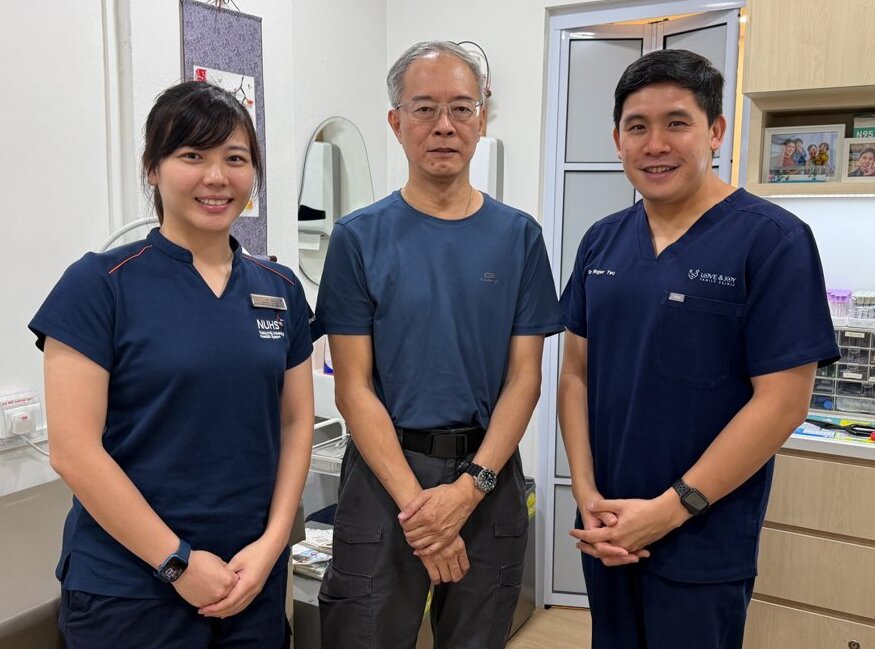
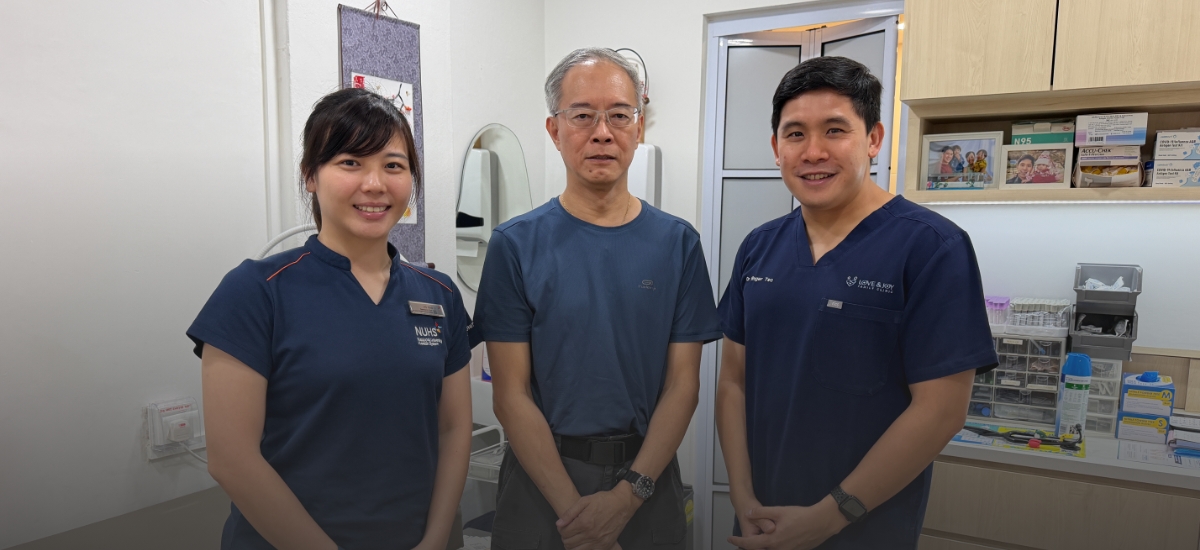
From left: Community Health Coach Ms Ho Xian Li, Mr Seeto (resident) and family physician Dr Roger Teo.
Mr Seeto was already following much of the advice commonly given to people living with diabetes. He watched what he ate, stayed active, and was committed to keeping his blood sugar under control. Yet, something wasn’t working.
After being diagnosed with diabetes in 2023 with an HbA1c of 15 per cent, Mr Seeto required insulin to manage his condition. With medical treatment and lifestyle changes, he eventually came off insulin. But his progress later plateaued, with his HbA1c remaining at around 9 per cent for almost a year — above the usual target of 6 to 7 per cent, typically recommended for many people with diabetes.
Consultations with his family physician, Dr Roger Teo, revealed several misconceptions around diet, medications and HbA1c targets. For example, Mr Seeto sometimes skipped meals or replaced them with desserts, believing this would help lower his blood sugar.
He also underestimated the impact of carbohydrate-heavy foods such as white rice and butter rice on his diabetes control. Choices that he thought were helping to manage his condition were not always having the effect he expected.
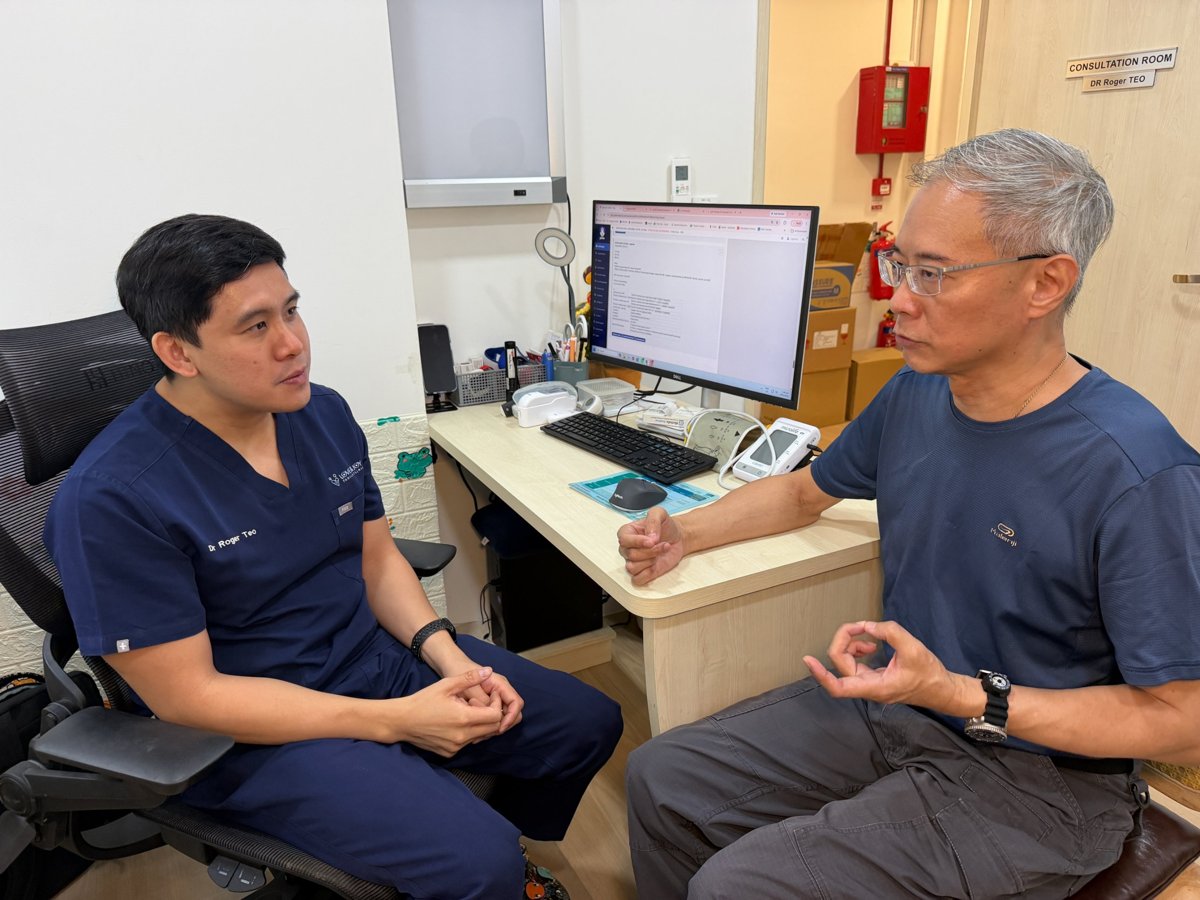
Mr Seeto discusses managing his diabetes with Dr Teo.
For Dr Teo, Mr Seeto’s case illustrates one of the challenges of managing diabetes. Much of diabetes management happens after the patient leaves the consultation room, encompassing food choices, portion sizes, exercise habits and blood glucose monitoring.
To provide Mr Seeto with additional support between consultations, Dr Teo referred him to NUHS’s Sugar Light diabetes management programme.
Turning good intentions into action
Through Sugar Light, Mr Seeto was supported by a multidisciplinary team, including a community nurse, dietitian, and community health coach Ms Ho Xian Li.
Rather than prescribing solutions, Ms Ho focused on understanding Mr Seeto's daily routines and motivations.
Their conversations revealed misconceptions around food choices that were hindering his progress, despite his commitment to improving his health.
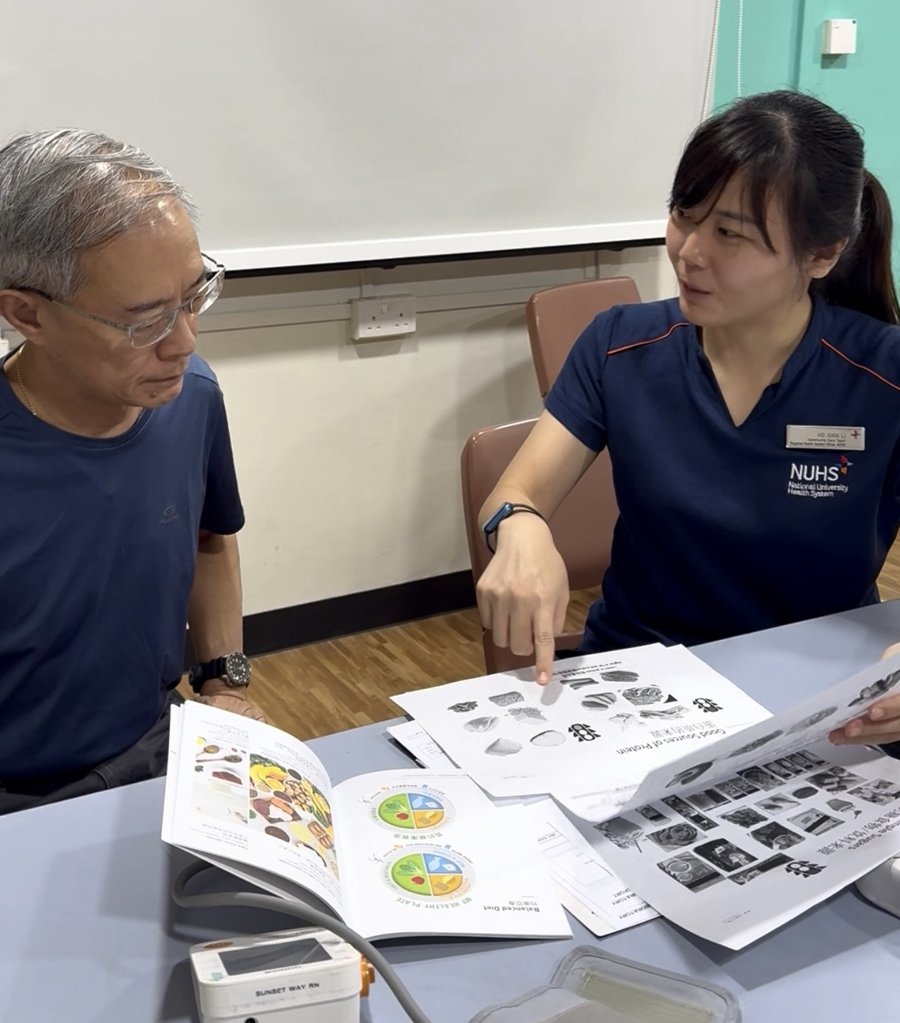
Community Health Coach Ms Ho in a coaching session with Mr Seeto.
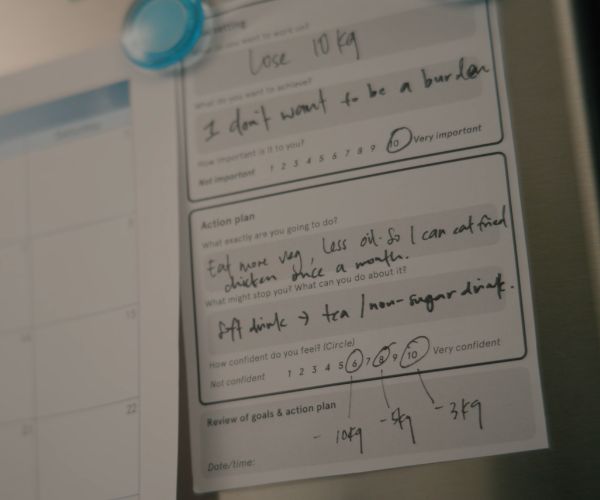
Ms Ho worked with him to translate his personal motivations into practical changes that could make a difference, including reducing sugar intake, choosing more wholegrains, eating regular meals, monitoring carbohydrate portions and staying active.
Through discussions about his eating habits and regular reviews, Mr Seeto gained a better understanding of how everyday food choices and portion sizes could affect his blood sugar levels.
Keeping track of his food intake also helped Mr Seeto identify patterns in his glucose readings and make more-informed decisions about his diet. When occasional higher readings raised concern, coaching sessions helped him focus on overall trends and the progress he was making, rather than any isolated reading.
With consistent effort, coupled with encouragement and regular reviews with his health coach, Mr Seeto’s HbA1c improved after three months in the Sugar Light programme, without any changes to his medication.
“It’s not always a lack of effort that prevents residents from achieving their health goals. Sometimes, they just need guidance to take the right steps towards better health,” said Ms Ho.
Managing diabetes requires team effort
The difference was also apparent when Mr Seeto returned to Dr Teo for follow-up visits.
With misconceptions being addressed, and Mr Seeto equipped with a better understanding of his lifestyle goals, their consultations could focus more effectively on shared goals for his diabetes management.
“I think the biggest testament was seeing his HbA1c coming down after a whole year without progress, after enrolling in Sugar Light,” said Dr Teo. “I’ve come to appreciate the value of positive reinforcement from nurses and health coaches in the community, supporting patients in making incremental improvements to better manage their chronic conditions.”
Mr Seeto’s journey demonstrates the importance of collaborative team effort in chronic disease management.
Family physicians provide clinical oversight and medical management. Community nurses, dietitians and health coaches complement that care by walking with residents through their health journey — building their understanding, guiding them through challenges, and embedding sustainable changes that fit into their lifestyle.
At the centre is the resident, equipped to take a more-active role in managing their own health.
For people like Mr Seeto, bringing these different forms of support together in the community can help bridge the gap between motivation and practical changes that make a real difference.
About Sugar Light
Sugar Light is NUHS’s community-based diabetes management programme, designed to support patients in building sustainable habits between clinic visits.
The programme is open to patients aged 40 and above with HbA1c levels of 8 per cent or higher, referred through a family physician partner of NUHS.
Each patient is supported by a team comprising a health coach, a community care nurse and a dietitian over six months. Support includes personalised coaching, dietary guidance and physical activity planning.
In consultation with Ms Ho Xian Li, Community Health Coach, Community Care Team, National University Health System (NUHS).
Related Articles