Sparking faster and safer care for patients with diabetes
Published on 29 September 2026
From early risk detection to rapid emergency response and post-discharge support, NUH is building a seamless care ecosystem for patients with diabetes.
At a glance
- The SPARK programme identifies around three to four high-risk patients with diabetes daily, enabling earlier intervention before complications develop.
- At least two HyboBoxes are available in every ward, and about 70 per cent of nurses can now complete treatment and follow-up for hypoglycaemia within 20 minutes, compared with up to 30 minutes previously.
- About 90 per cent of nurses reported greater confidence in managing hypoglycaemia, supported by standardised protocols, training and readily available treatment supplies.
Modern diabetes treatments are transforming lives, helping patients not only manage their blood sugar levels, but also protect their hearts, kidneys and future health. But as treatment options become more sophisticated, safe care depends on more than selecting the right medication.
It also requires healthcare teams to anticipate complications, recognise warning signs early and intervene quickly before patients become seriously unwell.
At the National University Hospital (NUH), that philosophy has shaped a coordinated, end-to-end approach to diabetes safety. Through initiatives such as the System for ProActive assessment for RisK (SPARK), a proactive surveillance system that continuously scans inpatient data in real time and identifies patients at risk of glycaemic crises, and HypoBox, a ready-to-use emergency kit that contains fast-acting glucose, complex carbohydrate options and hypoglycaemia management guidelines, the NUH diabetes mellitus (DM) team is working to identify high-risk patients earlier, respond more quickly during emergencies and ensure safer care from admission through recovery.
Spotting risk before complications occur
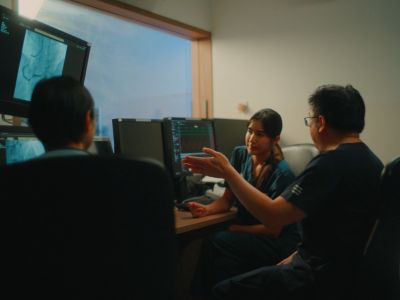
While traditional care models rely on referrals after a problem has been identified, SPARK proactively searches for hospitalised patients who may be at risk of glycaemic crises, enabling earlier intervention.
“Integrated within the EPIC electronic medical record system, SPARK runs in the background, applying pre-defined clinical rules to patients’ laboratory results, point-of-care glucose readings, medication records, procedure codes, and problem lists,” explained Adj A/Prof Khoo Chin Meng, Division of Endocrinology, Department of Medicine, NUH.
“When SPARK identifies a patient who may be at risk, the case is reviewed by the DM team and prioritised according to its urgency, ensuring patients receive the right level of support as early as possible.
“The fundamental principle behind SPARK is this: the patient at greatest risk of dire outcomes, is not the one who gets referred — it’s the one who doesn’t.”
SPARK further stratifies risk levels across three tiers, with high-risk cases managed by specialists, intermediate-risk cases handled by pharmacists, and patients at low risk overseen by primary teams.
Using SPARK, the endocrinology team launched the ProActive Service in 2018 to identify patients admitted with diabetic ketoacidosis, hyperosmolar hyperglycaemic state or severe hypoglycaemia, as well as patients with diabetes who have undergone coronary artery bypass surgery and selected surgical or cardiac patients with glycaemic abnormalities.
“By proactively identifying patients at risk, we can initiate appropriate management earlier, support primary teams and reduce the likelihood of avoidable complications,” said Dr Doddabele Srinivasa Deepak, Senior Consultant, Division of Endocrinology, Department of Medicine, NUH. “This allows us to deliver safer and more coordinated care across the hospital.”
When every minute counts
While symptoms of high blood sugar usually develop gradually over days or weeks, severe hypoglycaemia can become dangerous within minutes. Prompt treatment is essential, and having glucose, snacks and other supplies readily available in a single location enables nurses to begin treatment and follow-up assessments quickly.
To address challenges arising from competing ward demands and varying experience levels among staff, the nursing team developed HypoBox, a nurse-led initiative that standardises the treatment of hypoglycaemia.
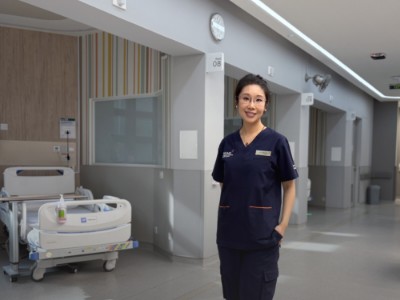
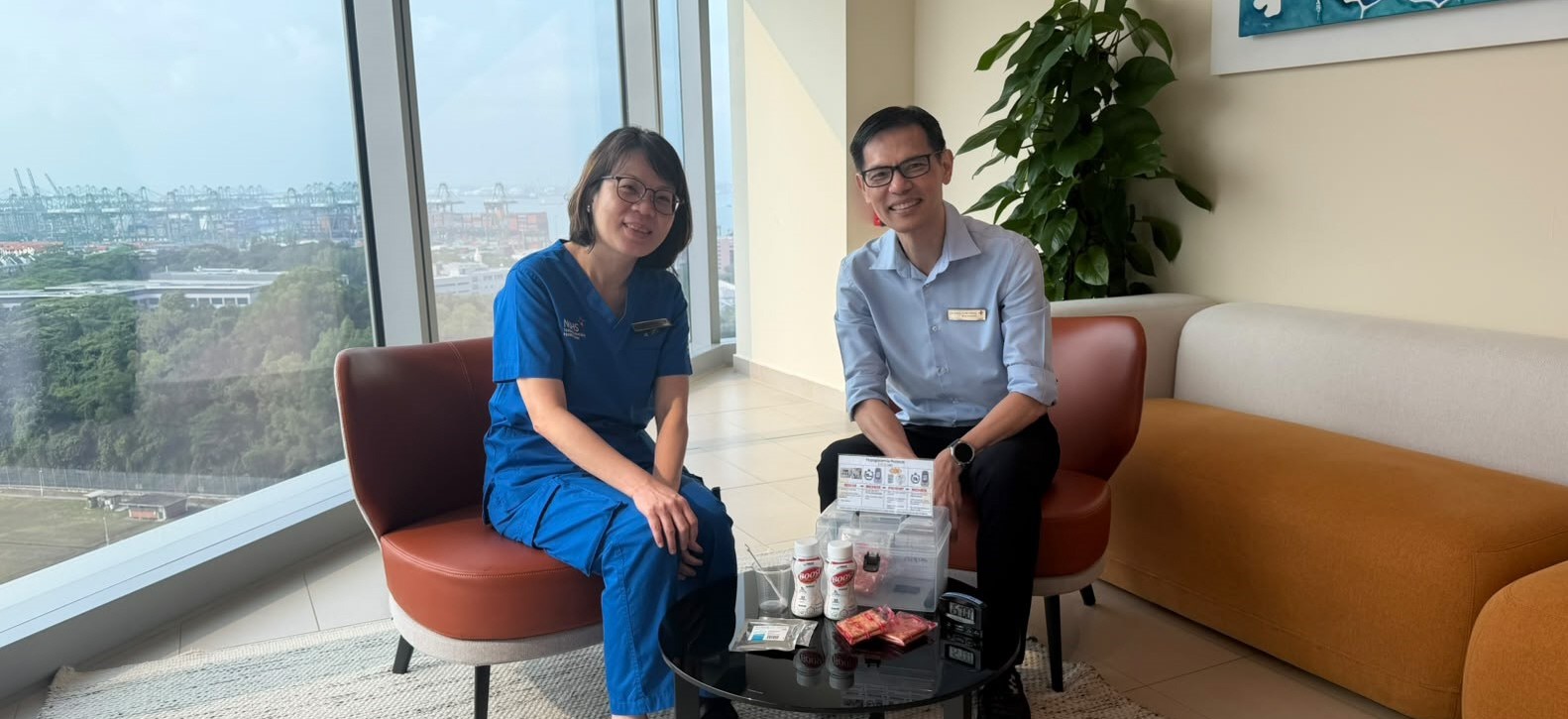
“HypoBox began as a ground-up effort to make hypoglycaemia treatment faster, simpler and more consistent for frontline staff,” said Ms Heng Boon Ling, Advanced Practice Nurse, Department of Nursing, NUH. “We wanted nurses to have immediate access to the right treatment and clear instructions during a hypoglycaemic event, so they could act without delay.”
“Through the train-the-trainer approach, we have built capability across the organisation and strengthened confidence in delivering safe diabetes care.”
Each HypoBox contains treatment supplies, such as glucose powder, biscuits and nutritional drinks, a leaflet outlining hypoglycaemia protocols, and a timer to facilitate rechecking of blood glucose levels in 15 minutes after rescue.
After administering glucose for rapid rescue, nurses reassess the patient’s blood sugar in 15 minutes after rescue to ensure levels recover appropriately. By standardising this process, HypoBox helps reduce variation in care while enabling faster intervention.
The impact has been significant. Every ward now has at least two HypoBoxes, and around 70 per cent of nurses are able to complete treatment and follow-up within 20 minutes, compared with about 30 minutes previously. About 90 per cent of nurses felt more confident in managing glycaemic emergencies.
Building a safer diabetes care ecosystem
SPARK and HypoBox are part of NUH’s broader commitment to safer, more coordinated diabetes care. Supported by a network of DM Champions who receive regular training and drive best practices within their wards, these initiatives are reinforced through ongoing audits and continuous improvement efforts.
Together, they enable earlier intervention, faster treatment and more seamless support throughout hospitalisation and recovery, reflecting NUH’s commitment to delivering safe, high-quality diabetes care at every stage of the patient journey.
In consultation with Adj A/Prof Khoo Chin Meng, Division of Endocrinology, Department of Medicine, NUH; Dr Doddabele Srinivasa Deepak, Senior Consultant, Division of Endocrinology, Department of Medicine, NUH, and Ms Heng Boon Ling, Advanced Practice Nurse, Department of Nursing, NUH.
Related Articles